
Budget 2026: What does it mean for UK retailers?

Budget
EmploymentGeneral RetailNews

Business rates relief, lower energy and fuel costs offer some respite for retailers, but rising wages and continued cost pressures will keep margins under strain.

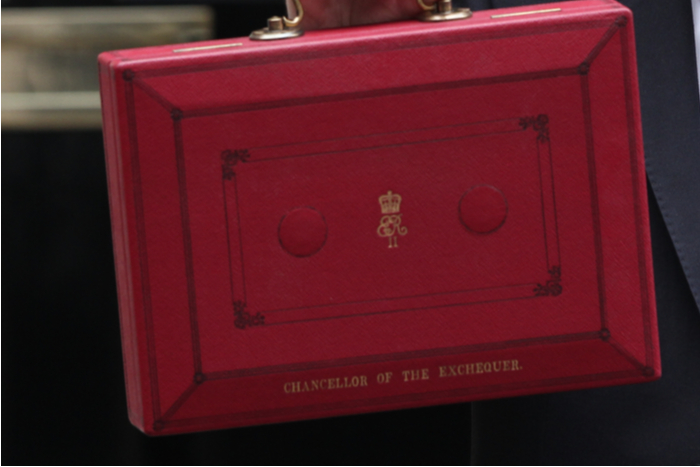
UK retailers have been handed a mixed package of measures in Chancellor John Healey’s first Budget, with support for high streets and household spending offset by another increase in employment costs.

The Budget, unveiled on Wednesday [28 October], focused heavily on easing pressure on household finances, while promising to make it easier for businesses to invest and grow.

One of the biggest announcements was a new package of business rates support for England’s retail, hospitality and leisure sectors.

The government said all eligible properties will see their business rates either frozen in real terms, reduced or cut to zero. It will also increase the threshold for Small Business Rates Relief, taking around 70,000 additional retail, hospitality and leisure businesses out of business rates altogether.

The government said half of all retail, hospitality and leisure properties will ultimately pay no business rates.

A two-year real-terms freeze on business rates bills for the sector will also be introduced, while pubs and all but the largest live music venues will receive an additional 20 per cent cut in their rates.

The measures are particularly significant for physical retailers, which have faced sharply higher property costs following the 2026 business rates revaluation and the removal of previous relief.

However, the government will fund the package partly through a 1p supplement for businesses that have seen reductions, or smaller increases, in their business rates bills.

Wages remain a major pressure

While retailers have secured some relief on property costs, labour-intensive businesses will continue to face higher payroll bills.

The National Living Wage will rise by 3.9 per cent to £13.21 an hour from 1 April 2027, representing an additional £910 in gross annual earnings for a full-time worker on the minimum rate.

The National Minimum Wage for 18- to 20-year-olds will also rise by 3.9 per cent to £11.27 an hour.

Retailers with large frontline workforces will see this increase as added further pressure to staffing budgets, at a time when businesses are already dealing with higher employer costs.

The slower pace of the increase compared with recent years will nevertheless provide some relief, particularly for businesses that had been preparing for a larger uplift.


Energy and transport costs

The Budget also attempts to reduce some of the costs feeding into retailers’ operations.

The government will extend its 5p cut to fuel duty for another six months and defer the planned RPI-linked increase until July 2027. It said petrol and diesel will be 15p a litre cheaper from April 2027 than under the previous government’s plans.

That will be welcomed by retailers operating large delivery fleets, as well as businesses dependent on road transport across their supply chains.

The government is also extending the temporary VAT cut on electricity bills until July 2027, while a new framework is intended to reduce energy costs over the longer term.

Additionally, the British Industrial Competitiveness Scheme will cut electricity bills by up to 25 per cent for more than 10,000 eligible businesses from April 2027.

The direct benefit to most retailers will be more limited, but lower energy and transport costs could gradually feed through into operating and distribution costs.

A boost to consumer spending?

The Budget’s wider cost-of-living measures could also have an indirect benefit for retailers.

Up to 20 million households in England will receive a £100 Household Energy Payment in 2027, while the temporary VAT cut on electricity bills will be extended.

The government is also removing tariffs on more than 100 products, including baked beans and chocolate, which could reduce costs for retailers importing affected products.

The hope for retailers is that lower household bills will leave consumers with more disposable income to spend beyond essential costs.

That could be particularly important as retailers enter the crucial Christmas trading period against a backdrop of squeezed household finances and cautious consumer spending.

Online marketplaces face a new tax responsibility

The Budget also contains a change for ecommerce. From October 2027, online marketplaces will become responsible for collecting VAT on qualifying sales made by UK businesses using their platforms.

The government said the measure is intended to tackle tax evasion and create a more level playing field between high street and online businesses.

The move could have implications for major marketplaces and the retailers and sellers operating through them, with platforms likely to face additional compliance responsibilities.

For bricks-and-mortar retailers, however, the change could help address a long-standing concern around competition from sellers operating through online marketplaces.

The verdict

The Budget offers retailers some welcome breathing room, particularly through business rates, fuel and energy measures.

But the cost base for the sector remains high.

The 3.9 per cent increase in the National Living Wage will add to payroll costs, while retailers will still have to contend with the wider pressures of inflation, employment costs and subdued consumer confidence.

The most significant measure for the sector may ultimately be the business rates package, particularly for smaller retailers and those operating physical stores.

The government is betting that reducing the cost of running a high street business, while putting more money into consumers’ pockets, can support retail growth.

The immediate question will be whether those savings are enough to offset the continued rise in the cost of employing staff and running stores.

Click here to sign up to Retail Gazette‘s free daily email newsletter

EmploymentGeneral RetailNews

Leave a Reply

Your email address will not be published. Required fields are marked *

Fill out this field
Fill out this field
Please enter a valid email address.

EmploymentGeneral RetailNews

Share:

Budget 2026: What does it mean for UK retailers?

Budget

Business rates relief, lower energy and fuel costs offer some respite for retailers, but rising wages and continued cost pressures will keep margins under strain.

UK retailers have been handed a mixed package of measures in Chancellor John Healey’s first Budget, with support for high streets and household spending offset by another increase in employment costs.

The Budget, unveiled on Wednesday [28 October], focused heavily on easing pressure on household finances, while promising to make it easier for businesses to invest and grow.

One of the biggest announcements was a new package of business rates support for England’s retail, hospitality and leisure sectors.

The government said all eligible properties will see their business rates either frozen in real terms, reduced or cut to zero. It will also increase the threshold for Small Business Rates Relief, taking around 70,000 additional retail, hospitality and leisure businesses out of business rates altogether.

The government said half of all retail, hospitality and leisure properties will ultimately pay no business rates.

A two-year real-terms freeze on business rates bills for the sector will also be introduced, while pubs and all but the largest live music venues will receive an additional 20 per cent cut in their rates.

The measures are particularly significant for physical retailers, which have faced sharply higher property costs following the 2026 business rates revaluation and the removal of previous relief.

However, the government will fund the package partly through a 1p supplement for businesses that have seen reductions, or smaller increases, in their business rates bills.

Wages remain a major pressure

While retailers have secured some relief on property costs, labour-intensive businesses will continue to face higher payroll bills.

The National Living Wage will rise by 3.9 per cent to £13.21 an hour from 1 April 2027, representing an additional £910 in gross annual earnings for a full-time worker on the minimum rate.

The National Minimum Wage for 18- to 20-year-olds will also rise by 3.9 per cent to £11.27 an hour.

Retailers with large frontline workforces will see this increase as added further pressure to staffing budgets, at a time when businesses are already dealing with higher employer costs.

The slower pace of the increase compared with recent years will nevertheless provide some relief, particularly for businesses that had been preparing for a larger uplift.


Energy and transport costs

The Budget also attempts to reduce some of the costs feeding into retailers’ operations.

The government will extend its 5p cut to fuel duty for another six months and defer the planned RPI-linked increase until July 2027. It said petrol and diesel will be 15p a litre cheaper from April 2027 than under the previous government’s plans.

That will be welcomed by retailers operating large delivery fleets, as well as businesses dependent on road transport across their supply chains.

The government is also extending the temporary VAT cut on electricity bills until July 2027, while a new framework is intended to reduce energy costs over the longer term.

Additionally, the British Industrial Competitiveness Scheme will cut electricity bills by up to 25 per cent for more than 10,000 eligible businesses from April 2027.

The direct benefit to most retailers will be more limited, but lower energy and transport costs could gradually feed through into operating and distribution costs.

A boost to consumer spending?

The Budget’s wider cost-of-living measures could also have an indirect benefit for retailers.

Up to 20 million households in England will receive a £100 Household Energy Payment in 2027, while the temporary VAT cut on electricity bills will be extended.

The government is also removing tariffs on more than 100 products, including baked beans and chocolate, which could reduce costs for retailers importing affected products.

The hope for retailers is that lower household bills will leave consumers with more disposable income to spend beyond essential costs.

That could be particularly important as retailers enter the crucial Christmas trading period against a backdrop of squeezed household finances and cautious consumer spending.

Online marketplaces face a new tax responsibility

The Budget also contains a change for ecommerce. From October 2027, online marketplaces will become responsible for collecting VAT on qualifying sales made by UK businesses using their platforms.

The government said the measure is intended to tackle tax evasion and create a more level playing field between high street and online businesses.

The move could have implications for major marketplaces and the retailers and sellers operating through them, with platforms likely to face additional compliance responsibilities.

For bricks-and-mortar retailers, however, the change could help address a long-standing concern around competition from sellers operating through online marketplaces.

The verdict

The Budget offers retailers some welcome breathing room, particularly through business rates, fuel and energy measures.

But the cost base for the sector remains high.

The 3.9 per cent increase in the National Living Wage will add to payroll costs, while retailers will still have to contend with the wider pressures of inflation, employment costs and subdued consumer confidence.

The most significant measure for the sector may ultimately be the business rates package, particularly for smaller retailers and those operating physical stores.

The government is betting that reducing the cost of running a high street business, while putting more money into consumers’ pockets, can support retail growth.

The immediate question will be whether those savings are enough to offset the continued rise in the cost of employing staff and running stores.

Click here to sign up to Retail Gazette‘s free daily email newsletter

Social


SUBSCRIBE TO OUR DAILY NEWSLETTER

  • This field is for validation purposes and should be left unchanged.
EmploymentGeneral RetailNews

Leave a Reply

Your email address will not be published. Required fields are marked *

Fill out this field
Fill out this field
Please enter a valid email address.

RELATED STORIES

Latest Feature


Menu


Please enter the verification code sent to your email: